 Eat'n'Fit

TL;DR
- Reverse dieting means raising calories slowly after a diet instead of jumping straight back to your old intake.
- The goal is to limit fat regain and give your metabolism room to recover from the diet.
- The evidence is thin, so treat it as a sensible way to transition, not a magic metabolism reset.
- Add calories in small weekly steps and watch your weight trend as your guide.
You finish a diet, and now what? Snapping back to how you ate before is the classic route to regaining what you lost. Reverse dieting is the gentler alternative: nudging your calories up in small steps over several weeks, so you leave the deficit without the rebound.
The idea behind it
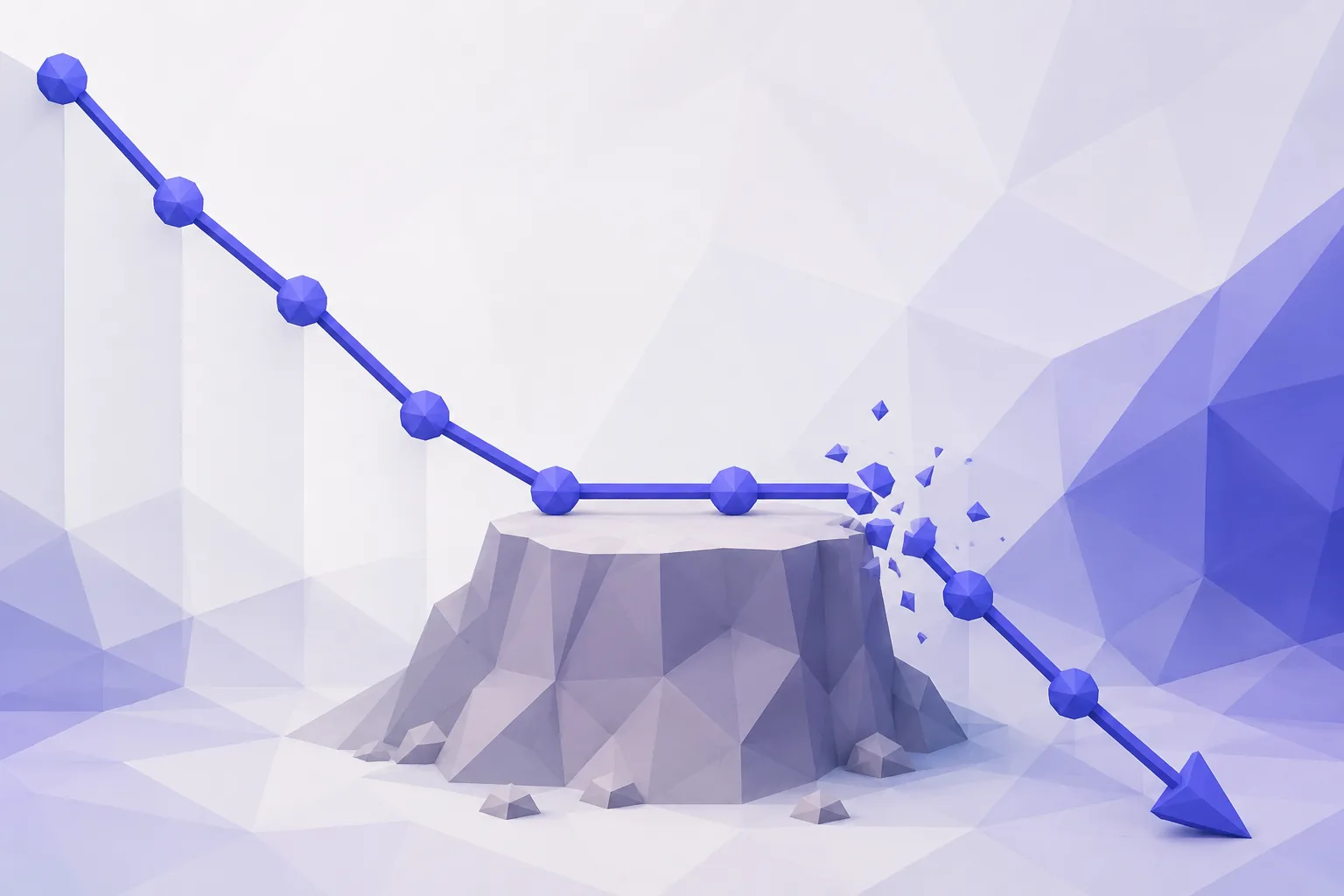
Dieting lowers your energy expenditure. Beyond the drop from simply being lighter, energy restriction triggers hormonal and metabolic changes that shrink the deficit and push toward weight regain, and that suppression can linger well after the diet ends. Reverse dieting's logic is to raise intake gradually so you refuel and rebuild your capacity to eat more without the scale lurching upward overnight.
An honest word on the evidence
It is worth being straight here: there is little direct research on reverse dieting itself, and claims that it "repairs" or "resets" your metabolism run ahead of the data. What is well established is that metabolism adapts during a diet and recovers over time as you eat more. So think of reverse dieting as a structured, low-drama way to return to maintenance and read your body's response — not a special fat-loss trick.
How to do it
- Start from where you finished. Take your current dieting intake as the baseline, not the number you ate a year ago.
- Add a little each week. Something like 50 to 150 calories per week, mostly from carbs and fats, is a common, manageable step.
- Watch the trend, not the day. A small, temporary bump on the scale as you add food is often water and glycogen, not fat. Judge by the weekly average.
- Ease off if the trend climbs steadily, hold for a week or two, then continue. You are looking for the intake that holds your weight.
- Keep protein up throughout, so any weight you do add favours muscle over fat.
Who it is most useful for
Reverse dieting earns its place most in a few situations:
- After an aggressive or long diet, where appetite is high and the temptation to rebound is strongest.
- Physique athletes coming off a competition prep, who want to add food back without erasing the leanness they worked for.
- Chronic dieters who have spent months under maintenance and want a structured, low-anxiety way to eat more again.
If your diet was moderate and short, you may not need a formal reverse at all — the gentler your deficit was, the smaller the adjustment back.
Reverse dieting vs simply going to maintenance
It is worth being honest that for many people, calculating their new maintenance calories and eating there directly works perfectly well — the slow, stepped ramp is not magic, and jumping straight to maintenance does not doom you to fat gain. The real value of a gradual approach is psychological and practical: it spreads the change out, keeps the scale from jumping in a way that spooks you, and lets you find the intake that holds your weight by observation rather than a formula. Choose the reverse if a slow ramp keeps you calmer and more consistent; skip it if you would rather just settle at a sensible maintenance and get on with life.
How Eat'n'Fit helps
Because weight change follows the ongoing balance of energy in and out, a reverse diet is really an exercise in nudging one number and watching the other respond. Eat'n'Fit lets you raise your target in small increments, keeps protein in view, and charts your weight as a trend so the water-weight wobble does not spook you. Add slowly, read the line, and you can arrive at a comfortable maintenance without undoing your hard work.
Sources
- Trexler ET, et al. Metabolic adaptation to weight loss: implications for the athlete. Journal of the International Society of Sports Nutrition, 2014.
- Fothergill E, et al. Persistent metabolic adaptation 6 years after "The Biggest Loser" competition. Obesity, 2016.
- Hall KD, et al. Quantification of the effect of energy imbalance on bodyweight. The Lancet, 2011.

Ease back to maintenance
Eat'n'Fit lets you raise your target in small steps and charts your weight as a trend, so you can exit a diet without the rebound.


Everything on the Eat'n'Fit blog is published for general information and wellness only, and is not a substitute for medical or nutritional advice or treatment. Always talk to a doctor or a registered dietitian before making significant changes to your diet. If you have, or think you may be at risk of, an eating disorder, please do not rely on the app and seek professional help.