 Eat'n'Fit
TL;DR
- Carbs are the number that defines keto — usually kept under about 20 to 50 grams a day to stay in ketosis.
- Track net carbs (total carbs minus fibre), because fibre has little effect on blood sugar.
- Fat fills the gap. With carbs low, fat becomes your main energy source and your biggest macro.
- Keep protein moderate and steady — enough to protect muscle, without treating it as unlimited.
Keto is unusual among diets in that one macro rules all the others. Get your carbs low enough and your body shifts to running largely on fat; let them creep up and the whole thing unwinds. That makes tracking not optional but central — keto is a numbers diet, and the carb number is the one that matters most.
Set the carb ceiling first
Most people reach and hold ketosis by capping carbohydrates somewhere around 20 to 50 grams a day. Where you land in that range is individual, but the principle is the same: carbs are a strict budget, not a rough target. Done consistently, a very-low-carbohydrate ketogenic approach can produce greater long-term weight loss than a low-fat diet for some people — but only if the carb ceiling actually holds.
Count net carbs, not just total
On keto, the useful figure is net carbs: total carbohydrate minus fibre. Fibre is a carbohydrate your body cannot fully digest, and it does little to raise blood sugar — which is why keto followers subtract it. This is what lets you eat leafy greens, nuts, and avocado freely: they are high in total carbs but low in net carbs once the fibre comes out.
Let fat fill the rest
With carbs capped and protein moderate, fat is what is left to fuel your day, so it becomes your largest macro by calories. Lean on quality sources — olive oil, avocado, nuts, oily fish, eggs — rather than treating "high fat" as a licence for anything. Fat is calorie-dense, so it is still the easiest place to overshoot your daily total without noticing.
Keep protein moderate
Protein sits in the middle: enough to protect your muscle, especially if you are losing weight, but not treated as limitless. A steady, moderate intake spread across meals does the job. There is no need to fear protein on keto for most people, but it should not crowd out the fat that fuels you.
What a keto plate looks like
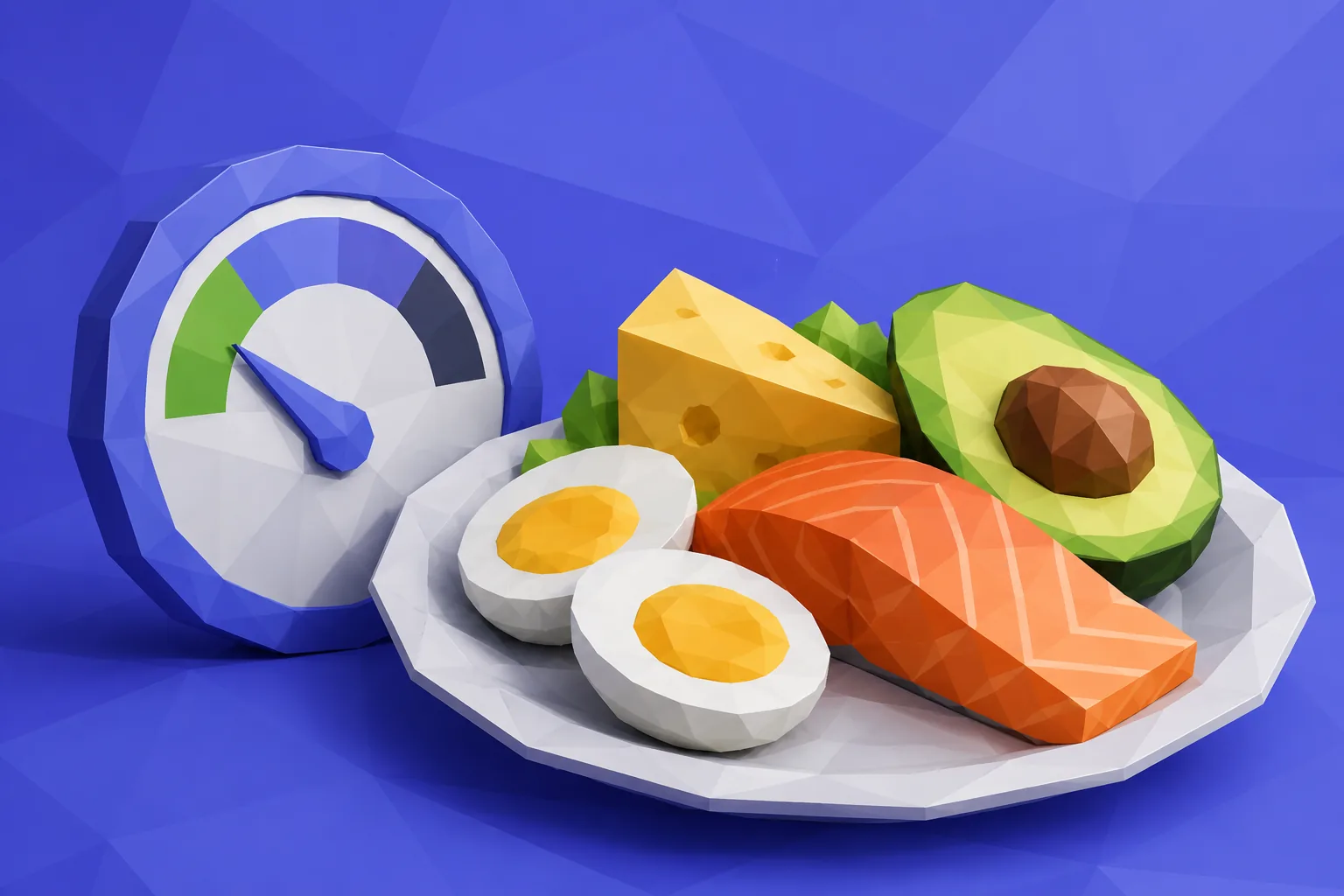
In practice, keto meals are built around protein and fat with low-net-carb vegetables filling the space starches usually would. A reliable shortlist:
- Proteins: eggs, chicken, beef, pork, salmon and other fish, and full-fat dairy like cheese and Greek yogurt.
- Fats: olive oil, butter, avocado, nuts and seeds, and the fat that comes with your protein.
- Low-net-carb vegetables: leafy greens, broccoli, cauliflower, courgette, peppers, mushrooms.
- Occasional extras: berries in small amounts, dark chocolate, and nut-based flours in place of wheat.
A typical day might be eggs cooked in butter, a big salad with salmon and olive oil, and steak with cauliflower mash — each plate naturally low in carbs without much effort once these foods are your defaults.
Where hidden carbs hide
Because the carb budget is so tight, a few unnoticed grams can quietly tip you out of ketosis. The usual culprits:
- Sauces and condiments — ketchup, barbecue sauce, and many dressings are sugar in disguise.
- Starchy vegetables and fruit — potatoes, corn, peas, bananas, and grapes add up fast.
- "Keto" packaged products — some rely on sugar alcohols that not everyone tolerates; trust the label less than a whole food.
- Drinks — a juice, a sweetened coffee, or a couple of beers can spend your whole day's carbs in one go.
This is exactly where tracking earns its keep: the carbs you forget to log are the ones that break the diet.
The adjustment period
Cutting carbs sharply can bring a few rough days as your body switches fuel sources — often called the "keto flu," with tiredness, headaches, and irritability that usually pass within a week or so. Staying well hydrated and keeping salt and other electrolytes up tends to ease the transition. Keto is not right for everyone, and if you have a medical condition, are pregnant, or take medication, it is genuinely worth speaking to a doctor before starting — this is a bigger dietary change than most.
How Eat'n'Fit helps
Eat'n'Fit makes keto's tracking manageable: scan or say what you ate and it breaks the meal into carbs, fat, and protein, counting your net carbs against a tight daily budget. Because meals stay editable before you log them, it is easy to catch a hidden carb before it tips you over — and to see, at a glance, whether the day's split really is keto or just close.
Sources
- Bueno NB, et al. Very-low-carbohydrate ketogenic diet v. low-fat diet for long-term weight loss: a meta-analysis of randomised controlled trials. British Journal of Nutrition, 2013.
- Giuntini EB, et al. The effects of soluble dietary fibers on glycemic response: an overview. Foods, 2022.
- Phillips SM. A brief review of higher dietary protein diets in weight loss: a focus on athletes. Sports Medicine, 2014.

Keep your carbs in budget
Eat'n'Fit tracks net carbs, fat, and protein from a scan or your voice, so staying in ketosis is a glance, not a spreadsheet.


Everything on the Eat'n'Fit blog is published for general information and wellness only, and is not a substitute for medical or nutritional advice or treatment. Always talk to a doctor or a registered dietitian before making significant changes to your diet. If you have, or think you may be at risk of, an eating disorder, please do not rely on the app and seek professional help.