 Eat'n'Fit
TL;DR
- Vegan macros start the same way as any others — set calories from your goal, then divide into protein, carbs, and fat.
- Protein needs the most attention. Plant proteins are a little less concentrated, so aim a touch higher and lean on the richest sources.
- Carbs and fibre come easily; fat is worth a deliberate spot from nuts, seeds, and oils.
- A well-planned vegan diet meets protein needs — it just rewards a bit of planning.
Calculating vegan macros is not a different maths problem — it is the same one with a slightly sharper focus on protein. The old worry that plant-based eating cannot supply enough protein does not hold up: the position of the Academy of Nutrition and Dietetics is that well-planned vegan diets are nutritionally adequate, including for protein. The word doing the work there is "planned," and macros are how you plan.
Start with calories and a protein target
As with any diet, set your daily calories from your weight, activity, and goal, then split them into macros. Give protein the first claim: aim for a solid target — roughly 1.6 grams per kilogram of body weight covers most active people, and nudging a little higher is sensible on plants, since plant proteins tend to be slightly less digestible and lower in some amino acids than animal sources.
Hit protein from the richest plants
The trick is to anchor meals around concentrated plant proteins rather than hoping it adds up from vegetables alone. Build around:
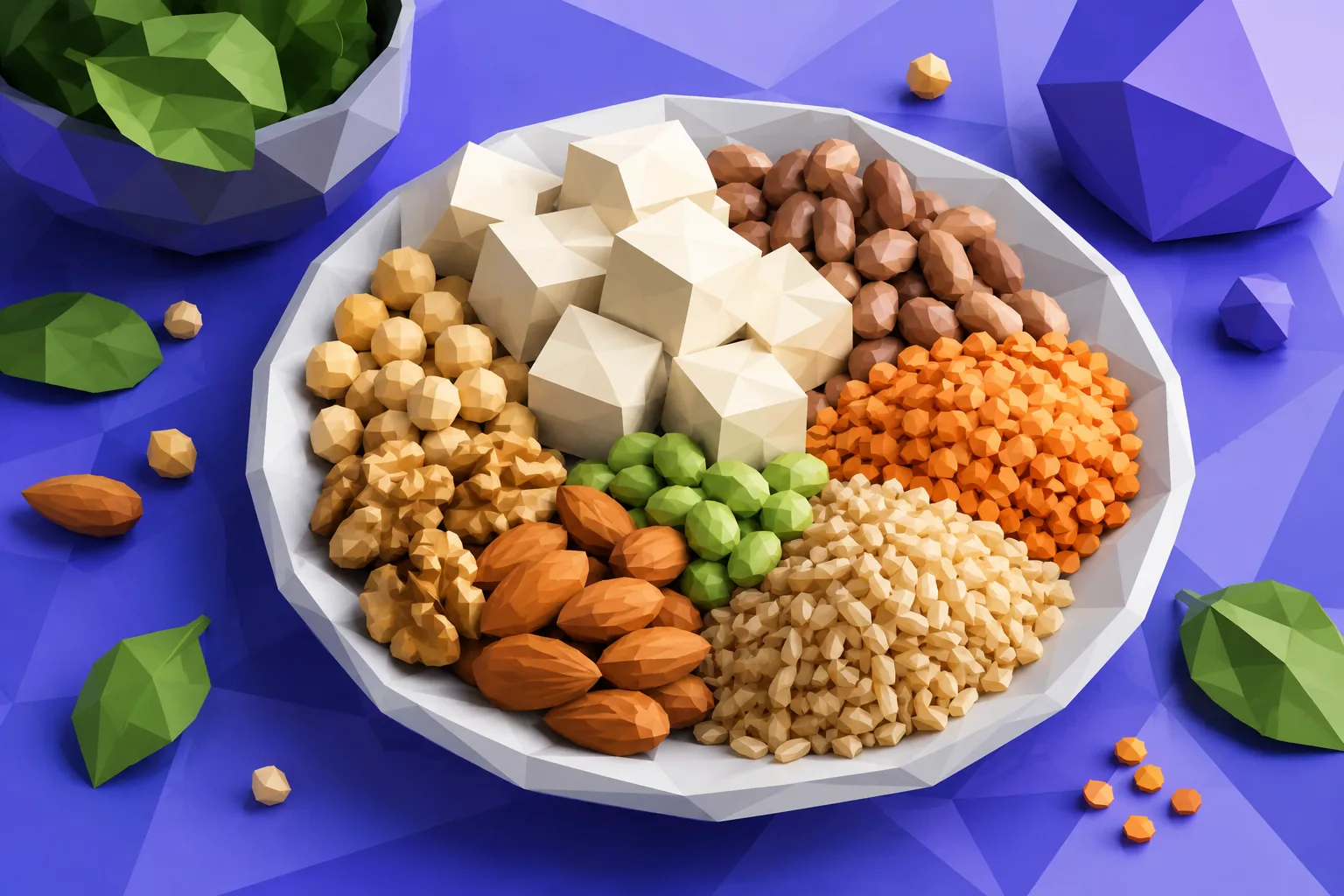
- Soy foods — tofu, tempeh, edamame, soy milk — which are among the most protein-dense and complete plant options.
- Legumes — lentils, chickpeas, beans — carrying protein and fibre together.
- Seitan and other wheat proteins, plus a spot for nuts, seeds, and whole grains.
Eating a variety across the day covers the full range of amino acids without any need to "combine" proteins at a single meal.
Carbs and fat fall into place
Carbohydrates and fibre are rarely the problem on a vegan diet — they arrive naturally with grains, legumes, fruit, and vegetables, and that high-fibre pattern is linked to lower disease risk. Fat is the one to place on purpose: without animal products it can run low, so give it a home in nuts, seeds, avocado, and oils. Beyond macros, plan for the nutrients plant diets watch most closely, like vitamin B12.
A day of vegan macros, put together
Numbers get real with an example. Say a 70 kg person aims for about 110 grams of protein a day. Spread across the day that is very doable on plants:
- Breakfast: tofu scramble or soy yogurt with oats, nuts, and berries.
- Lunch: a lentil or chickpea bowl with grains and vegetables.
- Snack: edamame, a soy latte, or a protein shake.
- Dinner: tempeh or tofu stir-fry with rice and plenty of veg.
Notice the pattern: a concentrated plant protein anchors every meal, carbs and fibre arrive with the grains and legumes, and fat comes from the nuts, seeds, and oil. Built this way, the protein target is met without any single heroic effort — and a scoop of plant protein powder is a fair backstop on busy days.
The nutrients to watch beyond macros
Macros are only half the picture on a vegan diet; a few micronutrients deserve a plan of their own. The one that is genuinely essential to supplement is vitamin B12, which plant foods do not reliably provide. It is also worth being deliberate about iron (pair plant sources with vitamin C to absorb more), omega-3s (from flax, chia, walnuts, or an algae supplement), calcium, zinc, and iodine. None of this makes a vegan diet inadequate — the position of dietitians is that a well-planned vegan diet meets nutritional needs across life stages — but "well-planned" is doing real work in that sentence, and these nutrients are where the planning matters most.
How Eat'n'Fit helps
Eat'n'Fit turns your goal into calorie and macro targets and reads your meals into protein, carbs, and fat from a scan or your voice — so you can see your plant protein climbing toward target through the day and top it up before you fall short. On a vegan diet, where protein is the number that needs watching, having it live on screen is what turns "eat enough protein" into a reliable habit.
Sources
- Melina V, Craig W, Levin S. Position of the Academy of Nutrition and Dietetics: vegetarian diets. Journal of the Academy of Nutrition and Dietetics, 2016.
- Morton RW, et al. A systematic review, meta-analysis and meta-regression of the effect of protein supplementation on resistance training-induced gains in muscle mass and strength. British Journal of Sports Medicine, 2018.
- McRae MP. Health benefits of dietary whole grains: an umbrella review of meta-analyses. Journal of Chiropractic Medicine, 2016.
Watch your plant protein add up
Eat'n'Fit reads your vegan meals into protein, carbs, and fat, so you can hit your protein target from plants without guesswork.


Everything on the Eat'n'Fit blog is published for general information and wellness only, and is not a substitute for medical or nutritional advice or treatment. Always talk to a doctor or a registered dietitian before making significant changes to your diet. If you have, or think you may be at risk of, an eating disorder, please do not rely on the app and seek professional help.